
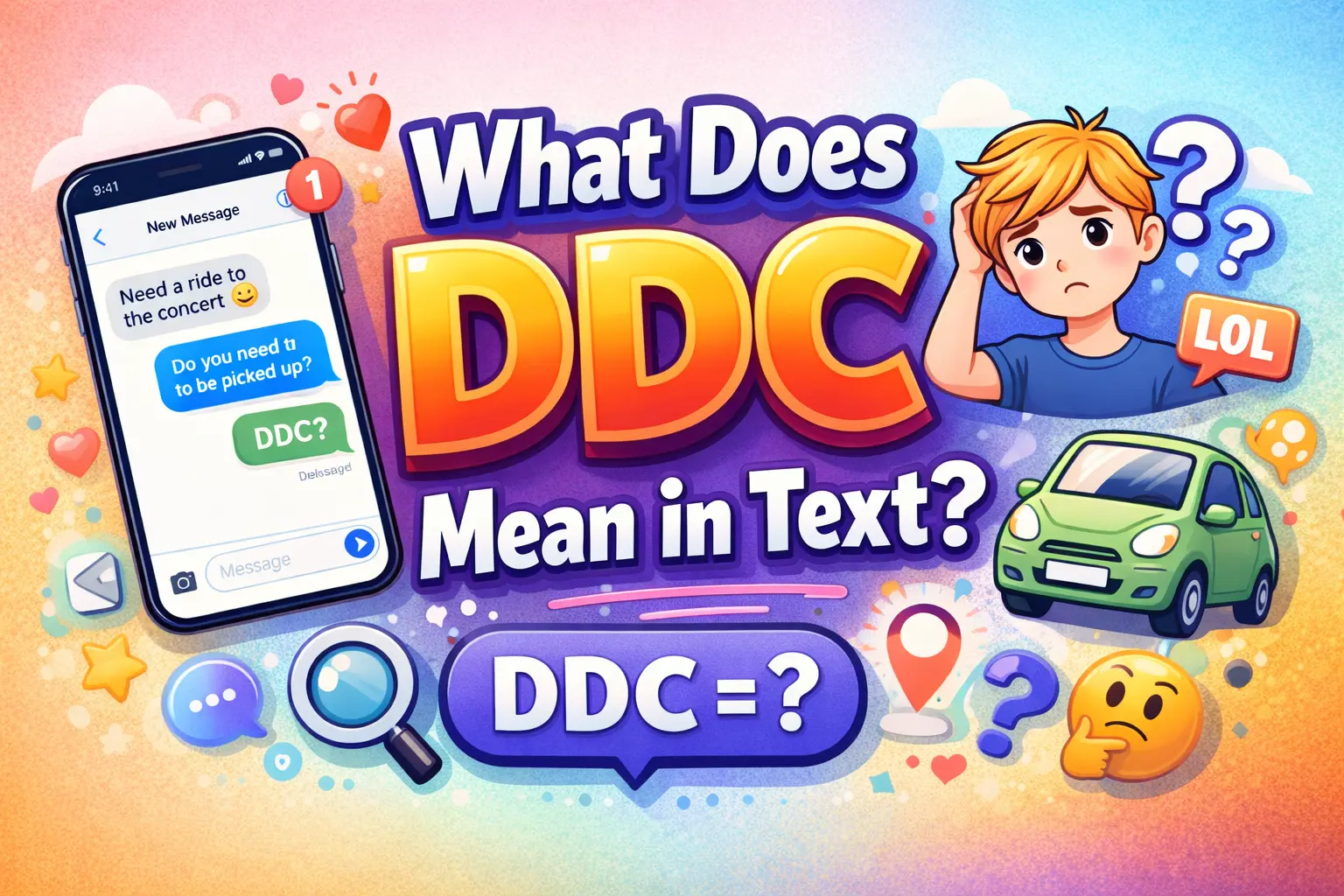
In today’s fast-moving digital world, acronyms like DDC pop up in texts, DMs, and social media comments. If you’ve stumbled across “DDC” and paused, wondering what it means, you are not alone. With texting shorthand evolving rapidly, keeping up can feel like decoding a secret language. Understanding DDC isn’t just about knowing a definition—it can help you grasp tone, context, and even the emotions behind a message.
Whether it appears in casual chat, TikTok comments, or Instagram DMs, DDC often leaves people scratching their heads. This article will demystify it, explain its cultural roots, give realistic examples, and explore how to use it confidently without miscommunication.
DDC – Quick Meaning
At its core, DDC is an abbreviation commonly used in texting and online messaging. While acronyms can shift in meaning depending on context, DDC generally means:
- Don’t Dead Chat – a playful request to keep the conversation alive.
- Drop Dead Cute – used to compliment someone’s appearance or style in a casual, friendly tone.
- Data-Driven Content – in professional circles, it refers to information grounded in analytics or research.
Example usages in text:
- “Your new profile pic is DDC 😍”
- “Hey, DDC! Don’t let the chat die while I grab a coffee.”
- “Our blog needs more DDC to attract readers.”
Notice how tone and context completely change the meaning. Recognizing the scenario is key to interpreting it correctly.
Origin & Background
Acronyms like DDC emerge naturally from digital culture, especially among younger users who favor brevity.
- Social Media Influence: Platforms like Instagram, TikTok, and Snapchat accelerated shorthand adoption. Quick typing plus emojis creates a new language for expressing feelings and humor.
- Cultural Roots: Drop Dead Cute (DDC) is an example of Western teen slang blending compliments with casual playfulness. Don’t Dead Chat is more recent, born out of group messaging frustrations.
- Evolution: Initially, DDC might have only meant “Drop Dead Cute” in private chats. Over time, social media users applied it in professional contexts or even ironically in memes.
Today, it’s a multi-use acronym whose meaning often depends on the platform and the generational norms of users.
Real-Life Conversations
Here are some authentic-style examples to illustrate DDC in context:
WhatsApp Chat
Person A: “Look at your puppy video 😍 DDC!”
Person B: “Haha thanks! He’s trying to be internet famous.”
Instagram DM
Person A: “DDC! Your outfit in that reel is everything.”
Person B: “You always know how to make me smile 😄”
TikTok Comment
User 1: “That dance move was DDC lol”
User 2: “Right?! Took me 10 tries to nail it 😂”
Text Message
Person A: “Hey, DDC. Don’t ghost me during the movie night!”
Person B: “Never! I’m grabbing popcorn 🍿”
These examples show how DDC conveys friendliness, humor, or compliment depending on context.
Emotional & Psychological Meaning
DDC often carries subtle emotional weight.
- Complimenting or Flirting: When used as Drop Dead Cute, it conveys admiration and positivity.
- Encouraging Interaction: As Don’t Dead Chat, it signals desire for engagement and attention.
- Professional Signaling: In work contexts, Data-Driven Content conveys seriousness and expertise.
Scenario: Imagine a friend sends a selfie and you reply “DDC 😎”. Instantly, the sender feels seen and appreciated. This small gesture strengthens bonds and reflects modern communication where brevity meets emotional resonance.
Usage in Different Contexts
- Social Media: Often Drop Dead Cute. A reaction to posts, reels, or stories.
- Friends & Relationships: Don’t Dead Chat is common among close friends or partners.
- Work / Professional: Rarely means Drop Dead Cute; usually Data-Driven Content.
- Casual vs Serious Tone: Casual tone is playful; serious tone is analytical.
When NOT to Use It
- Formal Emails: Avoid DDC in client communication unless previously established as jargon.
- Sensitive Conversations: Drop Dead Cute might be misinterpreted as sarcastic or flirtatious.
- Cultural Misunderstanding: Some cultures might not grasp casual texting shorthand.
Misuse can unintentionally confuse or offend. Always consider context.
Common Misunderstandings
- People often confuse DDC with DDD or DC in texting, leading to tone errors.
- Literal vs figurative meanings cause mix-ups: not every DDC is about attractiveness.
- Tone misreadings: “DDC!” in all caps can feel intense or aggressive, even if playful.
DDC Comparison Table
| Expression | Meaning | Context | Opposite |
|---|---|---|---|
| DDC | Drop Dead Cute | Complimenting | Unattractive |
| DDC | Don’t Dead Chat | Conversation continuity | Ghosting |
| Data-Driven Content | Analytical content | Work/marketing | Opinion-only content |
| LOL | Laugh Out Loud | Humor | Serious tone |
| BFF | Best Friend Forever | Relationships | Casual acquaintance |
Key Insight: Understanding DDC requires more than decoding letters; it demands attention to emotional tone, context, and platform norms.
Variations / Types of DDC
- Drop Dead Cute – complimenting someone’s looks or style.
- Don’t Dead Chat – encouraging ongoing conversation.
- Data-Driven Content – professional, research-based content.
- Don’t Dare Cancel – humorous warning in memes.
- Double Dare Challenge – playful online games.
- Dynamic Design Concept – in creative work discussions.
- Digital Data Capture – technical or IT usage.
- Dance Dance Crush – niche social media slang.
- Do Dream Creatively – motivational contexts in texting.
- Direct Debit Confirmation – financial or banking texts.
How to Respond When Someone Uses DDC
- Casual: “Haha thanks! You’re too kind 😄”
- Funny: “Careful, I might start blushing 😳”
- Mature: “Appreciate that, really made my day”
- Respectful: “Noted, thanks for the heads-up!”
Tailoring response to context ensures clarity and maintains emotional tone.
Regional & Cultural Usage
- Western culture: Often Drop Dead Cute; playful and flirtatious.
- Asian culture: May lean toward Don’t Dead Chat or friendly compliments.
- Middle Eastern culture: More reserved; context is key.
- Global internet: Memes and TikTok trends expand meanings rapidly.
- Generational differences: Gen Z favors playful, humorous DDC; Millennials may use it professionally.
Is It Safe for Kids?
DDC in most forms is harmless, especially Drop Dead Cute or Don’t Dead Chat. However, parental guidance is advised for younger users navigating slang that could have flirtatious or ironic connotations.
FAQs About DDC
1. Can DDC mean more than one thing?
Yes, context determines meaning: compliment, chat prompt, or professional term.
2. Is DDC only used by young people?
Mostly Gen Z and Millennials, but anyone familiar with texting slang may use it.
3. Can I use DDC in professional emails?
Only as Data-Driven Content; avoid playful versions.
4. Is DDC safe in group chats?
Yes, but ensure everyone understands the context.
5. Does DDC appear in social media hashtags?
Absolutely; often shorthand in Instagram or TikTok captions.
6. Can DDC be flirtatious?
Yes, Drop Dead Cute can convey subtle admiration.
7. Is DDC changing over time?
Yes, digital slang evolves constantly with trends and platforms.
Conclusion
DDC is more than just three letters in a text. It’s a reflection of modern communication, blending brevity, humor, and emotion. Whether you use it to compliment, encourage a chat, or reference professional content, understanding the context is key. Mastering DDC allows you to engage naturally, confidently, and playfully online. Next time you see it, you’ll not only understand it but also respond in a way that feels authentic and human.