
If you’ve come across “OLG” in a message and paused for a second, you’re not alone. It’s one of those short, context-heavy abbreviations that can feel confusing at first glance.
People search for “what does OLG mean in text” because the meaning isn’t universal. Unlike common slang like “LOL” or “BRB,” OLG shifts depending on who’s using it and where the conversation is happening.
In some cases, it’s playful. In others, it can feel random or even confusing. That’s exactly what makes it worth understanding.
In this guide, you’ll learn what OLG really means, how it’s used in real conversations, and how to respond without feeling awkward or out of place.
OLG – Quick Meaning
OLG in text usually means:
- A casual or playful expression with no fixed definition
- A shorthand used in private jokes or friend groups
- Sometimes a typo or stylized version of another slang word
In simple terms:
It’s often context-based slang rather than a dictionary word.
Examples:
- “That was wild lol… OLG 😭”
- “You really did that? OLG!”
- “OLG I can’t believe you said that”
In most cases, the tone is light, expressive, and informal.
Origin & Background
OLG doesn’t come from a single clear origin like traditional slang. Instead, it emerged organically through texting culture.
Short-form messaging changed how people communicate. Platforms like WhatsApp, Instagram, and TikTok encouraged quick, expressive replies. That led to creative abbreviations that don’t always follow rules.
OLG is likely:
- A typing variation or inside joke that spread
- A group-specific expression that gained wider use
- A reaction-based slang rather than a literal phrase
Social media accelerated this. When people saw others using OLG in comments or replies, they picked it up without needing a formal meaning.
Over time, it became one of those “you get it if you get it” expressions.
Real-Life Conversations
Here’s how OLG naturally appears in everyday chats:
Person A: I accidentally sent that message to my boss 😭
Person B: OLG… you’re finished
Instagram DMs
Person A: Did you see what she posted?
Person B: OLG I’m actually shocked
TikTok Comments
User 1: This plot twist was ridiculous
User 2: OLG I did not expect that at all
Text Messages
Person A: I just waved back at someone who wasn’t waving at me
Person B: OLG that’s so embarrassing 😭
Notice something?
It’s always tied to emotion. Surprise, disbelief, humor, or mild chaos.
Emotional & Psychological Meaning
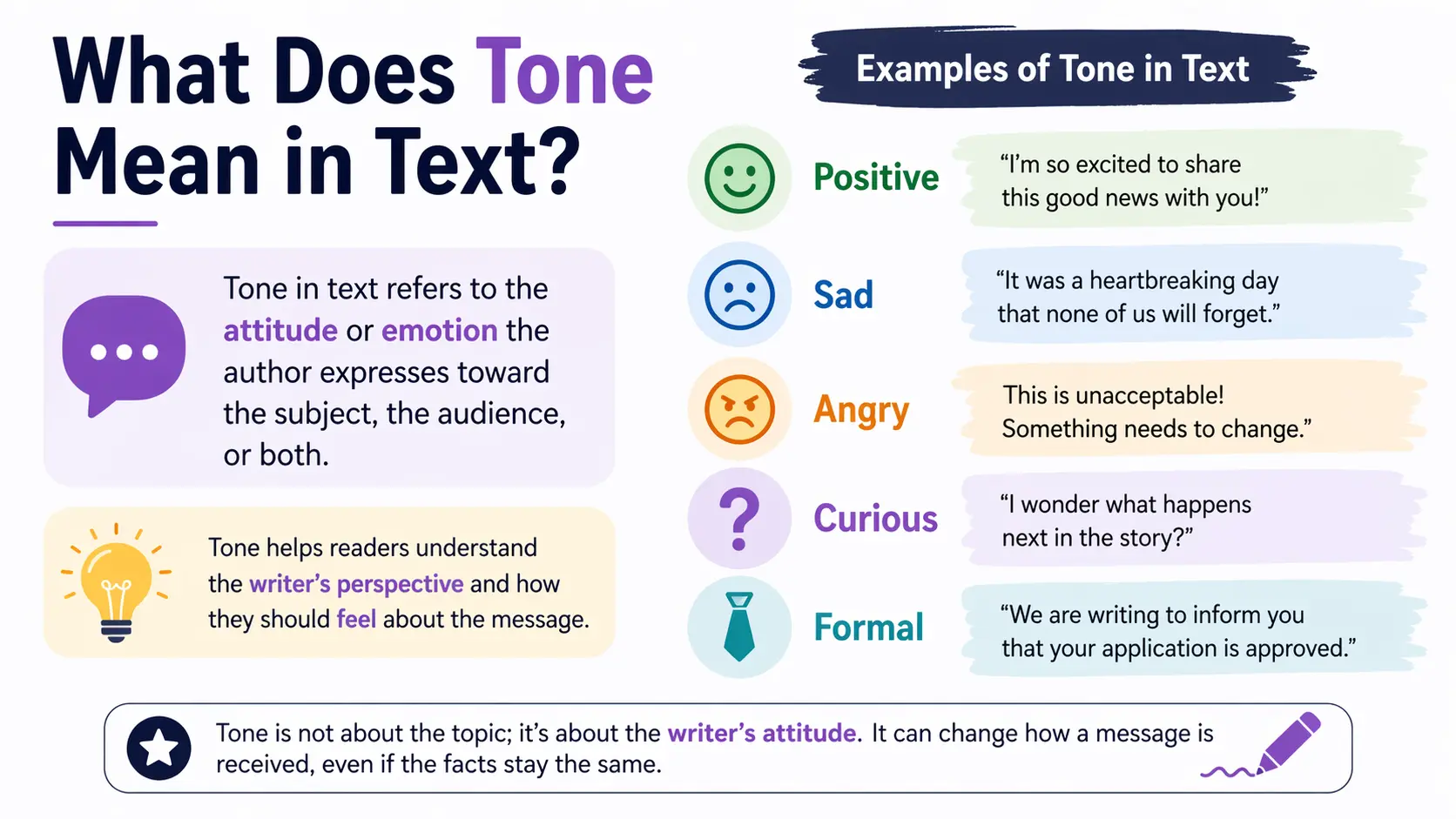
OLG isn’t about the letters themselves. It’s about the feeling behind them.
People use it when they:
- Feel surprised or shocked
- Want to react quickly without typing a full sentence
- Are sharing a moment of humor or disbelief
It acts like a digital reaction. Almost like a facial expression turned into text.
Here’s a simple real-life scenario:
You’re chatting with a friend late at night. They tell you something unexpected, maybe a random story or a mistake they made. Instead of typing a long reply, you just send “OLG 😭”.
That one word carries your reaction. It says, “I’m surprised, slightly amused, and fully engaged.”
This is how modern texting works. Less explanation, more emotion.
Usage in Different Contexts
Social Media
On platforms like TikTok or Instagram, OLG is used as a quick reaction.
It fits perfectly in comments where people respond instantly without overthinking.
Friends & Relationships
Among friends, OLG feels natural and casual.
It often shows shared understanding. Almost like an inside reaction that doesn’t need explanation.
Work / Professional Settings
This is where things change.
OLG is not appropriate in professional communication. It can come across as unclear or unprofessional.
Stick to clear language in emails or formal chats.
Casual vs Serious Tone
OLG is always casual.
Using it in a serious or emotional conversation might feel dismissive or confusing.
For example, if someone shares something deeply personal, replying with “OLG” alone might feel insensitive.
When NOT to Use It
Avoid using OLG in these situations:
- Professional emails or workplace chats
- Serious or emotional discussions
- Conversations with people unfamiliar with slang
- Cross-cultural communication where meaning may be unclear
Using it in the wrong context can lead to misunderstanding or make you seem uninterested.
Common Misunderstandings
Many people assume OLG has a fixed meaning. It doesn’t.
Here’s what people often get wrong:
- Thinking it’s an acronym with one definition
- Confusing it with other slang like “OMG”
- Taking it literally instead of emotionally
OLG is more about reaction than definition.
Comparison Table
| Expression | Meaning | Tone | Usage |
|---|---|---|---|
| OLG | Emotional reaction, surprise | Casual | Friends, social media |
| OMG | Oh my God, shock or excitement | Casual | Widely understood |
| LOL | Laughing out loud | Light, humorous | Universal |
| SMH | Disbelief or disappointment | Slightly critical | Casual |
| OK | Neutral acknowledgment | Neutral | Universal |
Key Insight:
OLG works like a flexible emotional shortcut, while other slang terms have more defined meanings.
Variations / Types
Here are some variations or similar expressive forms:
- OLG 😭 – Strong emotional reaction
- OLGGG – Extended for emphasis
- olg – Lowercase, more casual tone
- OLG?? – Confused or questioning reaction
- OLG lol – Mixed humor and disbelief
- OLG fr – “For real” added for emphasis
- OLG stop – Playful reaction to something funny
- OLG why – Expressing confusion
- OLG no way – Surprise or disbelief
- OLG 😂 – Lighthearted, funny reaction
Each variation adjusts tone without changing the core feeling.
How to Respond When Someone Uses It
Casual Replies
- “Right?? I couldn’t believe it either”
- “I know, it was wild”
Funny Replies
- “I’m still recovering from that moment 😂”
- “Don’t remind me 😭”
Mature Replies
- “Yeah, it was unexpected for sure”
- “I get why you’d react like that”
Respectful Replies
- “I understand your reaction”
- “That must have been surprising”
The best response depends on tone and relationship.
Regional & Cultural Usage
Western Culture
OLG is more likely to appear in informal chats among younger users.
It fits the fast, reaction-driven style of communication.
Asian Culture
Usage is less common, but similar expressions exist.
People may prefer emojis or local slang instead.
Middle Eastern Culture
OLG might not be widely recognized.
Clearer expressions are often preferred in mixed-language communication.
Global Internet Usage
Online spaces blur boundaries.
Even if someone doesn’t fully understand OLG, they often interpret it through context.
Generational Differences
- Gen Z: More likely to use and understand it
- Millennials: May recognize it but use it less
- Older generations: Might find it confusing
This gap shows how fast digital language evolves.
Is It Safe for Kids?
Yes, OLG is generally safe.
It doesn’t carry harmful or explicit meaning. However, context still matters.
Kids should understand when casual slang is appropriate and when clear communication is better.
FAQs
1. What does OLG stand for in text?
It usually doesn’t stand for anything specific. It’s a reaction-based slang expression.
2. Is OLG the same as OMG?
Not exactly. OMG has a clear meaning, while OLG is more flexible and context-driven.
3. Is OLG widely used?
It’s not universal, but it appears in certain online communities and friend groups.
4. Can I use OLG in professional chats?
No. It’s too informal and may confuse others.
5. Why do people use OLG instead of full sentences?
It’s faster and expresses emotion instantly.
6. Is OLG a typo?
Sometimes, yes. But in many cases, it’s used intentionally as slang.
7. How do I know what OLG means in a message?
Look at the context and tone of the conversation.
Conclusion
OLG is a perfect example of how modern communication prioritizes feeling over structure.
It doesn’t rely on a strict definition. Instead, it captures a moment. A reaction. A shared emotional beat between people.
That’s why it can feel confusing at first, but natural once you see it in action.
If you understand the tone behind it, you won’t need a dictionary. You’ll just get it.
And that’s the real skill in today’s digital conversations.